Why DNA Testing Matters When Buying a Purebred Kitten

Scottish Fold and Scottish Straight kittens can be born in the same responsibly planned litter. 
Scottish Straight kittens can be born in the same responsibly planned litter. 
Scottish Fold and Scottish Straight kittens can be born in the same responsibly planned litter. 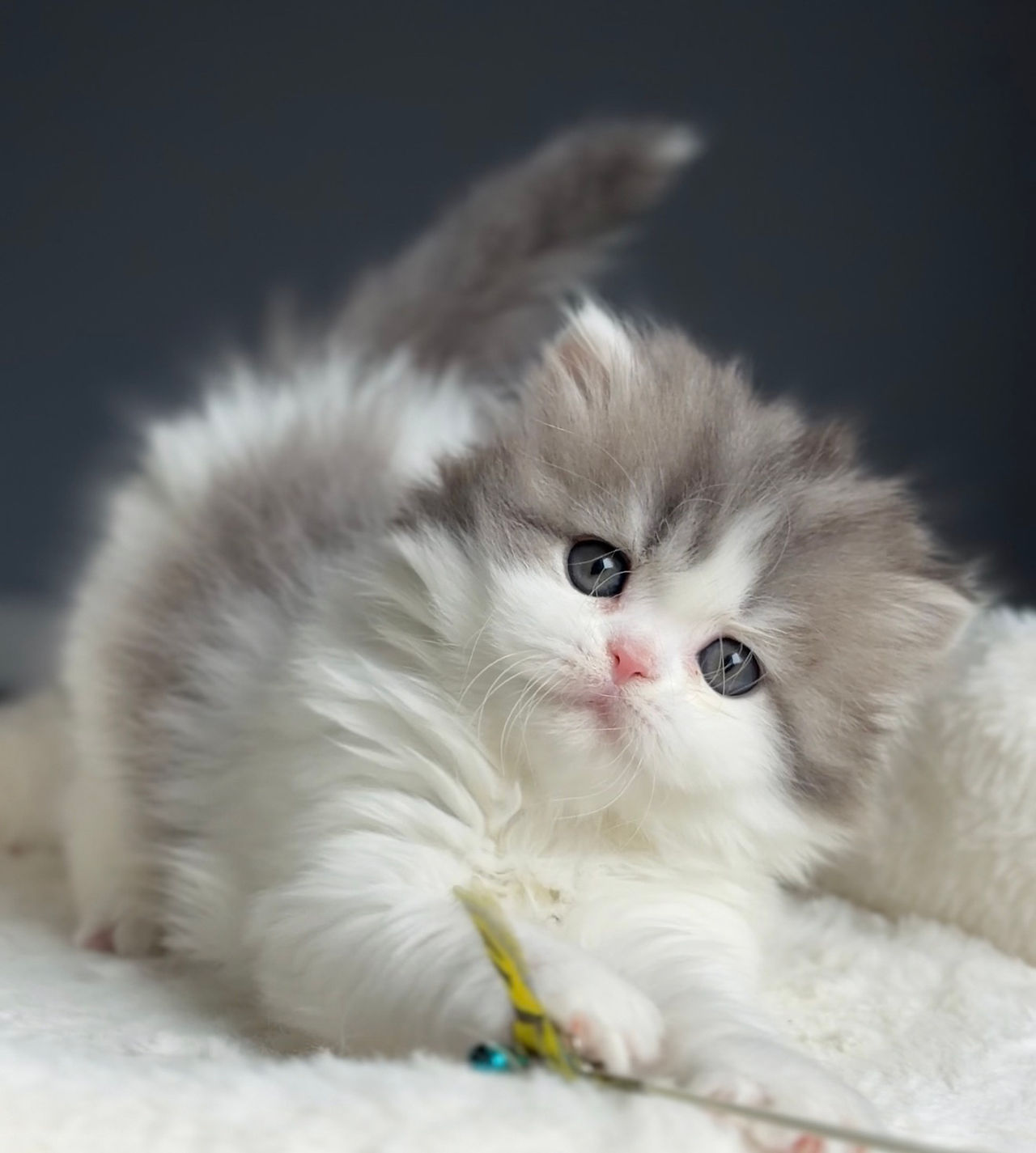
More Than an Adorable Face Cute Kittens From Carefully Selected Parents 
The PrettyFold Difference 
A Healthy Beginning Starts Before Birth
Beautiful photographs can show a kitten’s color, coat, and expression, but they cannot show which inherited genetic variants may be present in its bloodline.
That is why DNA testing for purebred kittens begins with testing the parent cats before a litter is planned.
Genetic testing helps responsible breeders identify certain known inherited variants, choose appropriate breeding pairs, and reduce the risk of producing kittens affected by preventable genetic conditions.
However, buyers should also understand an important limitation: no DNA panel can guarantee that a kitten will never develop a health problem.
What Can Cat DNA Testing for purebred kittens Identify?
A genetic laboratory examines a cat’s DNA for specific variants already known to be associated with particular diseases, traits, blood types, or coat characteristics.
The sample is often collected using a cheek swab. Cells are gently brushed from the inside of the cat’s cheeks and gums and sent to a genetic laboratory for analysis.
Depending on the test and the cat’s breed, DNA testing may provide information about:
Known inherited health variants
Carrier status for recessive diseases
Blood type
Coat color and pattern genetics
Longhair or shorthair genetics
Breed-specific traits
A responsible breeder chooses tests that are relevant to the breed and bloodline rather than assuming that every available test applies equally to every cat.
What Do Clear, Carrier, and Affected Mean?
Many inherited conditions are described using three common result categories:
Result | General Meaning |
Clear | The tested genetic variant was not detected |
Carrier | One copy of a recessive variant was detected |
Affected or At Risk | Two copies, or a disease-associated combination, were detected |
For a typical autosomal recessive condition, a carrier is usually healthy but can pass the variant to approximately half of its offspring. Breeding two carriers of the same recessive variant can produce affected kittens.
UC Davis explains this pattern in its feline pyruvate kinase deficiency test: a cat with one copy is an unaffected carrier, while two carrier parents can produce affected offspring.
A carrier cat is not automatically unhealthy or unsuitable for breeding. The important issue is whether the breeder understands the result and selects a compatible mate that will not produce affected kittens.
Why Testing Parent Cats Matters
Kittens receive genetic material from both parents. Testing only one parent can leave important questions unanswered.
When both breeding cats have appropriate results, a breeder can:
Avoid pairing two carriers of the same recessive condition
Make informed decisions before a mating occurs
Explain potential results to kitten families
Preserve valuable bloodlines without producing affected kittens
Maintain accurate health records over multiple generations
This is one of the most valuable purposes of DNA testing for purebred kittens: preventing avoidable genetic combinations before the kittens are conceived.
Does “DNA Tested” Mean Tested for Everything?
NO!
The phrase DNA tested is incomplete unless the breeder can explain:
Which parent cats were tested
Which conditions were included
Which laboratory performed the tests
What the results showed
Why those tests are relevant to the breed
How the results influenced the breeding plan
A DNA test can detect only the specific variants included in that test. A clear result means that a particular tested variant was not found. It does not mean the cat is genetically clear of every possible disease.
Even within one condition, researchers may know only some of the variants that contribute to risk. For example, UC Davis notes that its Maine Coon HCM test detects one breed-specific mutation and does not identify every cause of HCM.
DNA Testing Does Not Replace Heart Screening
Hypertrophic cardiomyopathy, commonly called HCM, is the most frequently diagnosed heart disease in cats.
An echocardiogram uses sound waves to create images of the heart and allows a veterinarian or veterinary cardiologist to evaluate the heart’s structure and wall thickness. Cornell identifies echocardiography as the diagnostic method used to evaluate feline HCM.
For British Shorthairs, TICA specifically recommends screening breeding cats for HCM with an echocardiogram performed by a veterinary cardiologist. It also notes that HCM may not appear during the first years of life, which makes ongoing screening important.
DNA testing and echocardiograms perform different jobs:
Test or Screening | What It Helps Evaluate |
DNA panel | Specific known inherited genetic variants |
Echocardiogram | The heart’s current structure and function |
Veterinary examination | The cat’s present physical condition |
Pedigree review | Health patterns observed within the bloodline |
Responsible health screening uses several tools rather than relying on one test alone.
What Should a Kitten Buyer Ask?
Before reserving a purebred kitten, ask the breeder:
Are both parent cats genetically tested?
Which conditions were included?
May I see the relevant results?
Are the tests appropriate for this breed?
Are breeding cats screened for HCM by echocardiogram?
Does the kitten receive a veterinary examination?
Will I receive health and vaccination records?
Is there a written genetic health guarantee?
A responsible breeder should be able to discuss both the strengths and limitations of the testing program clearly.
Health Testing at PrettyFold
At PrettyFold, breeding decisions include DNA testing of parent cats for genetic conditions relevant to their breeds and bloodlines.
PrettyFold also states that its bloodlines are screened for HCM through echocardiograms. Kittens receive veterinary care, age-appropriate vaccinations, deworming, microchipping, and a written genetic health guarantee before joining their new families.
Testing is not simply paperwork added after kittens are born. The results are most valuable when breeders use them before each pairing is planned.
Final Thoughts
DNA testing for purebred kittens helps breeders identify known inherited variants, avoid unsafe genetic combinations, and make better-informed breeding decisions.
However, DNA testing is only one part of responsible breeding.
It should be combined with veterinary examinations, breed-appropriate screening, echocardiograms when indicated, pedigree knowledge, careful selection of breeding pairs, and honest communication with kitten families.
A responsible breeder should never promise that testing guarantees perfect health. Instead, the breeder should explain how each available tool is used to reduce preventable risks and give every kitten the healthiest possible beginning.
Looking for a Health-Tested Purebred Kitten?
Explore PrettyFold’s available and upcoming Scottish Fold, Scottish Straight, British Shorthair, and British Longhair kittens.
Contact us to learn more about our parent cats, health testing, veterinary care,, and upcoming litters.
